Wash the glutinous rice thoroughly to remove impurities.
Soak the washed rice in water for 3 days. Note that a strong odor may develop, which is normal.
After soaking, grind the rice into a fine powder or have it ground at a local mill.
Add some water to the rice powder to moisten it until it clumps together when squeezed by hand.
Sift the moistened rice powder once more to ensure a fine texture.
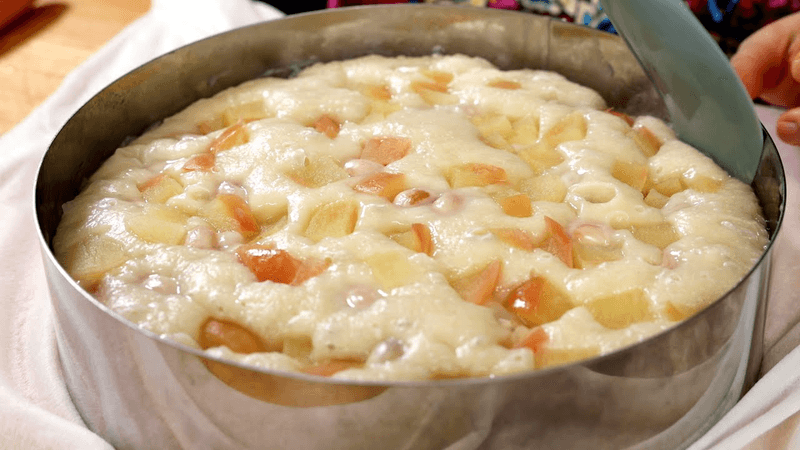
Place the rice powder in a steamer, cover with a dry cloth under the lid to prevent condensation from dripping, and steam for about 20 minutes until it resembles a soft cake.
Pour boiling water over the steamed rice cake and mix well to break it down into a paste. This step can be labor-intensive.
Cool the mixture completely by placing it outside or in a cool area like a balcony in winter.
Add nuruk (fermentation starter) and wheat flour to the cooled mixture. Mix thoroughly by hand for about 15 minutes until well combined. This process is quite sticky and strenuous.
Transfer the mixture to a fermentation container, clean the edges of the container, and let it ferment for about a day.
After a day, check the base mixture. Stir well to ensure even fermentation and let it continue fermenting.
Prepare another batch of glutinous rice by washing it thoroughly.
Soak this rice in water for 3 days, similar to the first batch. Expect a strong odor as before.
Drain the soaked rice using a sieve and steam it in a steamer for about 1 hour until fully cooked.
Spread the steamed rice out to cool completely.
Once cooled, combine the steamed rice with the base mixture (Mitsool). Add the prepared nuruk and water, then mix well.
Transfer the combined mixture to a larger fermentation container if necessary to prevent overflow, and let it ferment for 13 days.
After 13 days of fermentation, check the mixture. It should be fully fermented and have a watery consistency.
Strain the fermented mixture through a fine cloth or sieve to separate the liquid (makgeolli) from the solids. Press to extract as much liquid as possible.
Bottle the strained makgeolli. Optionally, taste a small amount to check the flavor. It may have a strong alcohol taste initially.
Store the bottled makgeolli in the refrigerator for about a month to allow it to mature and develop a smoother flavor.
This recipe was organized by Hemogry AI based on the video.
Nutrition data is estimated based on the video and may not be fully accurate.