Nutrition data is AI-estimated and may not be fully accurate.
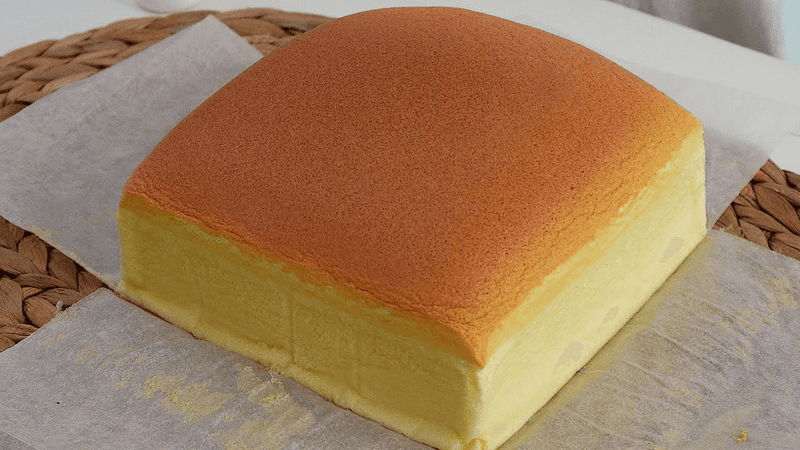
This recipe was created by analyzing the video with AI. For full details, please refer to the original video.
Turn on the gas stove to low heat. Do not use high heat as it can burn the sugar.
Once the pan is heated, sprinkle a small amount of sugar into the pan.
As the sugar starts to melt in certain areas, add more sugar to those spots. Add sugar gradually to avoid lumps.
Continue melting the sugar until it becomes transparent. Adjust the darkness of the caramel based on your preference for bitterness.
Once the desired caramel consistency is reached, carefully add a small amount of warm water. Do not pour too much at once to avoid splashing.
Set the caramel aside to cool. It will thicken as it cools and can be used as needed.
Take butter out of the refrigerator 1-2 hours in advance to soften it to room temperature (20-22°C). It should be soft to the touch.
In a mixing bowl, combine softened butter and sugar. Whip at high speed using a whisk or mixer until well combined.
Once the butter and sugar are mixed and airy, add two eggs to the mixture. Optionally, use a hairdryer or torch to slightly warm the mixture for better incorporation, but avoid overheating.
Mix for about 3 minutes until well combined. Then add another egg and mix for another 3 minutes.
Add the final egg and mix for another 3 minutes. Scrape down the sides of the bowl to ensure everything is incorporated. Some separation is normal due to the moisture content.
Add the prepared caramel to the mixture. Whip for an additional 6 minutes to ensure a good foam. Slight separation at this stage will not affect the final result.
Sift the all-purpose flour into the mixture. Mix well, ensuring no lumps remain. It's okay to mix firmly to slightly deflate the foam.
Fold in the raisins evenly into the batter.
Divide the batter into pans, about 330g per pan. It's better to have extra batter to add later than to run short.
Grease the top of the batter with butter to help it crack and rise during baking. This method works well for convection ovens.
Preheat the oven to 220°C. Place the pans in the oven and bake at 220°C for a few minutes.
Cover the pans with a lid or foil and reduce the temperature to 170-180°C. Bake for about 30 minutes.
Check for doneness. Once baked, remove from the oven. The cake is best enjoyed after cooling, though it can be tasted warm for a unique experience.