해먹으리(Hemogry) - Why Restaurant Ragu Tastes So Much Better
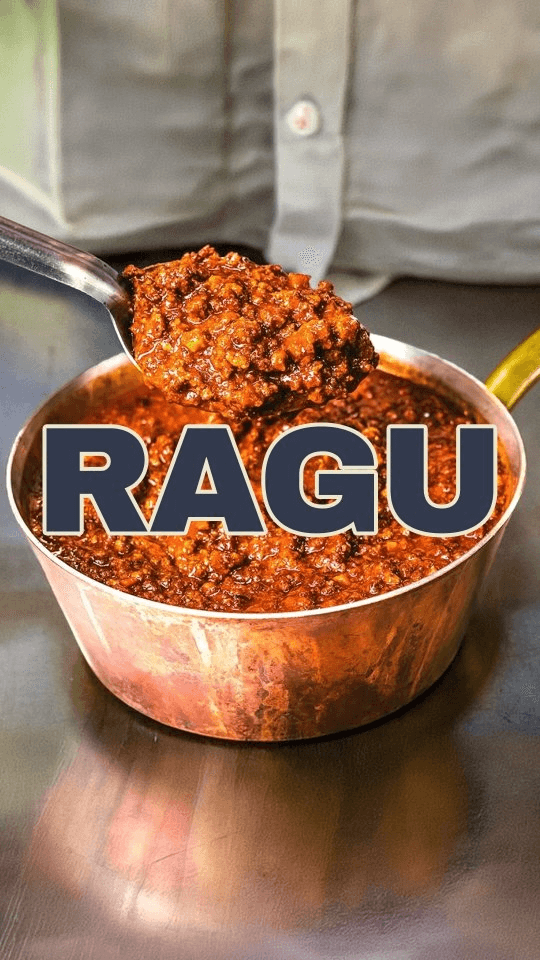
There are endless ways to make ragu. Every region does it differently, and every family has their own version. This isn’t the authentic Italian way or the correct way, this is the chef way.
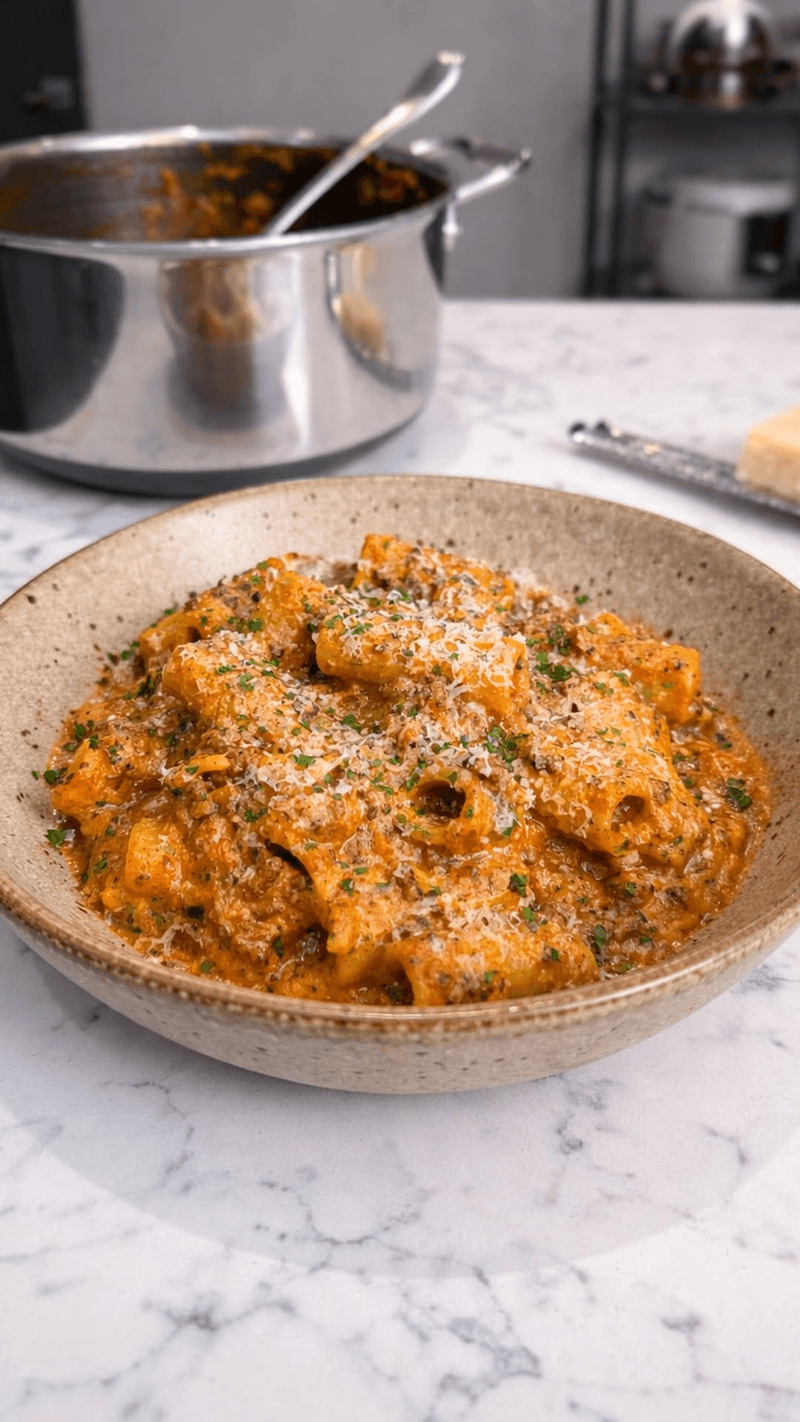
This ragu recipe is a technique-driven approach using French and European cooking principles to create a deeper, richer, more complete ragu. If you’re searching for a ragu recipe, how to make ragu, or the best ragu recipe, this video breaks down exactly how chefs build flavour step by step.
Instead of rushing everything into one pot, this method focuses on:
– Proper soffritto caramelisation
– Deep browning of the meat (Maillard reaction)
– Layered fat, collagen, and umami
– Controlled reduction and balance
This ragu uses a blend of beef shin and chuck, pork belly for collagen and richness, pancetta for fat and smoke, tomato in controlled amounts, parmesan rind for umami, and milk at two different stages, inspired by techniques used by chefs like Marco Pierre White & Massimo Bottura.
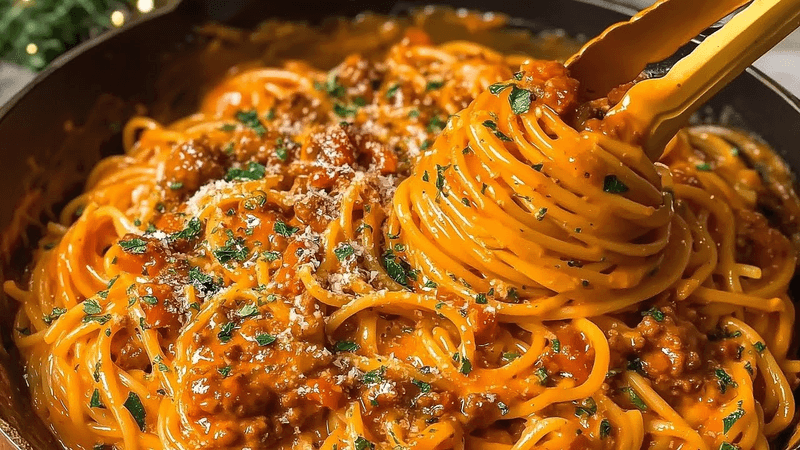
Rather than overpowering the meat, this ragu builds flavour slowly through caramelisation, reduction, and balance — resulting in a sauce that’s rich, glossy, and deeply savoury without being heavy.
WHAT YOU’LL LEARN IN THIS VIDEO:
– How chefs build flavour in ragu
– Why should soffritto be soft and sweet, not dark
– How to properly brown mince for maximum flavour
– Why milk is used in ragu (and when to add it)
– How to balance richness with acidity
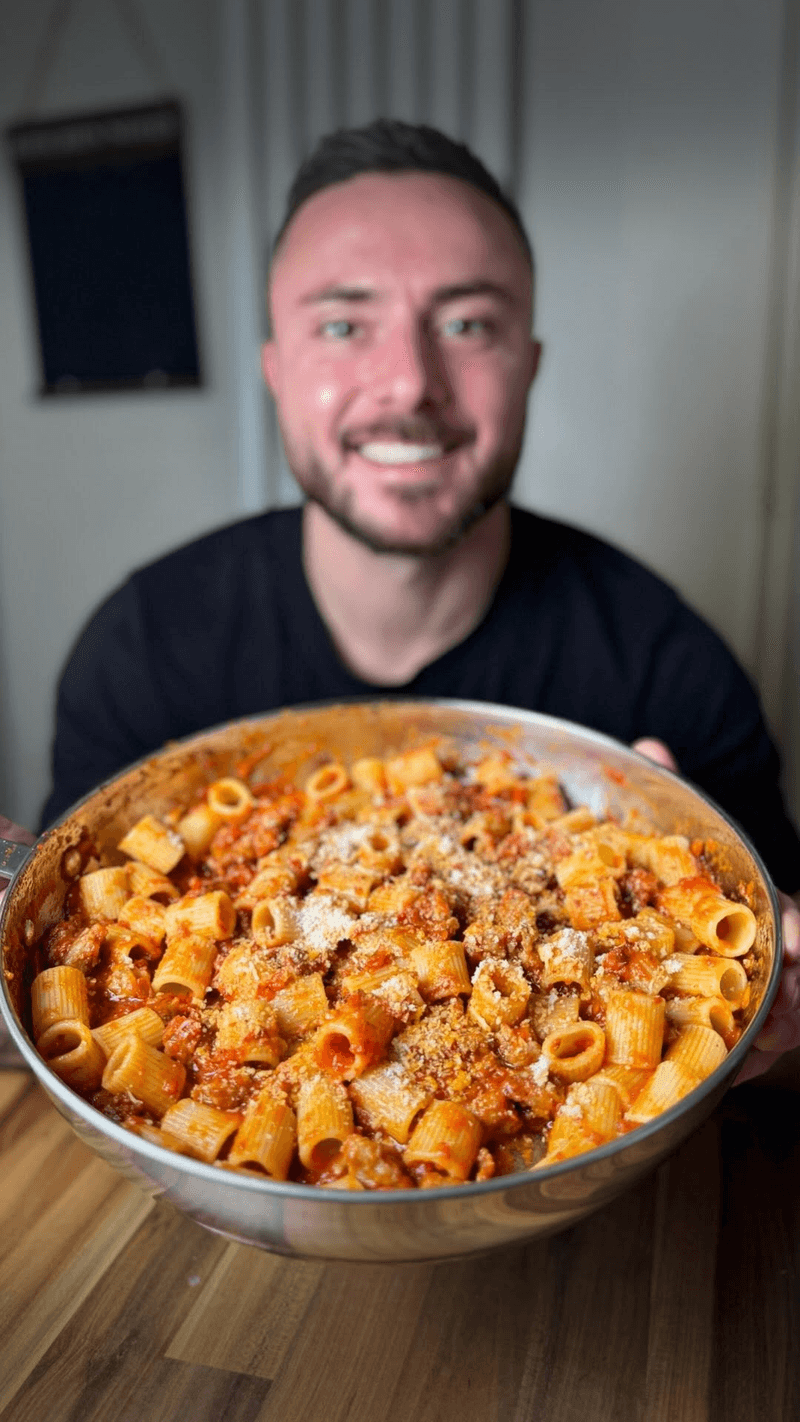
– How to finish ragu like a restaurant sauce
RECIPE
INGREDIENTS
1 kg Beef Mince
400 g Pork Belly, Diced
100 g Pancetta, Diced
200 g Onion, Finely Diced
150 g Carrots, Finely Diced
150 g Celery, Finely Diced
1 Garlic Cloves, Grated
125 ml Extra Virgin Olive Oil
200 ml Red Wine
80 g Tomato Paste
400 g Passata
150 ml Whole Milk
500 ml Chicken Stock
1 Parmesan Rind
2 Bay Leaves
1 Pinch Nutmeg
50 g Cold Butter
50 g Sugar
100 g Balsamic Vinegar
1. Over a low heat, heat up the olive oil. Add celery, onion, carrot, and pancetta. Sweat on a low heat for 20-25 minutes until soft with no colour. Remove from pot and reserve
2. Raise heat to medium high. Add the beef in thin layers, let each layer brown before stirring. Once the beef is dark brown, remove.
3. Add the diced pork belly and render slowly until it reaches a dark brown colour. Add the beef back in
4. Add in the tomato paste and caramelise. Add the milk into the meat and reduce
5. Deglaze with red wine and reduce by half
6. Add the vegetables and soffito back into the mixture
7. Add in the tomatoes, then stock, bay lead, Parmesan rind, and a pinch of nutmeg
8. Lower the heat very low and cook for 3 1/2 hours. This allows the pork belly collagen to thicken naturally
9. Remove the bay leaf and Parmesan rind. Remove off heat and mix in cold butter
GNOCHI
300g potato (700g raw weight, ideally Desiree)
65g ‘00’ flour
1 egg yolk
Parmesan, grated (to taste)
Salt and pepper
Butter and oil for frying
1. Heat an oven to Gas 6/200ºC/400ºF. Bake the potatoes for 1-11/2 hours or until soft through.
2. When cooked cut the potatoes in half and scrape the insides into a ricer or sieve and pass. Whilst the potato is still warm add the flour, yolk, parmesan, salt and pepper. Bring together to form a soft dough, trying not to overwork the mix.
3. Bring a large pan of salted water to the boil.
4. Roll small amounts of the dough into lengths 1.5 to 2cm thick (½ to ¾ inch), then cut to a similar size.
5. Carefully lift the shaped gnocchi into the boiling water. Allow them to rise to the surface and then cook for a further 20-30 seconds, before removing and placing on a well-oiled tray.
6. Place the gnocchi in a fridge to cool and firm up for 30 minutes.
7. When you are ready to eat, heat your oven to about to degrees c or the lowest setting and put in a tray. Heat a large, non-stick frying pan with a little oil and butter in it, and carefully brown your gnocchi on both sides. You may need to do this in batches. Once golden, keep the gnocchi warm on the oven tray.
VIDEO CHAPTERS
00:00 - The Chef Way
00:20 - Soffritto Base
02:49 - Cooking the Meat
06:50 - Building & Cooking the Sauce
12:59 - Making Gnocci
13:40 - Making the Gastrique
14:32 - Finishing the Ragu
15:31 - Plating & Tasting